
Blog
In my attempt to unravel the mysteries of the world, I turn to writing. At times, I muse about food’s delightful symphony, other moments I embark on new cultural adventures, and occasionally, I weave poetry and short stories yearning to escape the confines of my imagination.
Notes from Mogadishu
Going back to the place where my parents grew up filled me with so many mixed emotions. Although I'd lived and worked in Mogadishu before, that was within the Halane airport compound, where international staff and peacekeeping forces were based. At the time, because of the security situation, my movements were extremely limited.
This visit was completely different. I stayed with a friend in her lovely apartment in Madina and moved around the city by taxi and bajaj. In many ways, I experienced Mogadishu like a local, but with the privilege of knowing I could leave if I wanted to. If I'm completely honest,I was a tourist in my own country. Even though I spoke fairly good Somali and dressed like everyone else, I was still inherently an outsider. I wandered through the city with the wide-eyed curiosity and excitement that only visitors seem to possess.
My trip began with an unexpected comedy of errors. I arrived at Jomo Kenyatta International airport a day early. The airline had cancelled the original flight and rescheduled it for the following day, but somehow the email had disappeared into the ether. Slightly delirious and disappointed, I took a taxi back home, ready to sleep off all that wasted excitement. The silver lining was that I caught one of the most beautiful sunrises on the journey home, and somehow that made the whole mishap worthwhile.
The first thing that strikes you when you land at Adan Abdulle International Airport is the vastness of the city and the endless stretch of ocean. I am always in awe that Somalia has the longest coastline on mainland Africa.
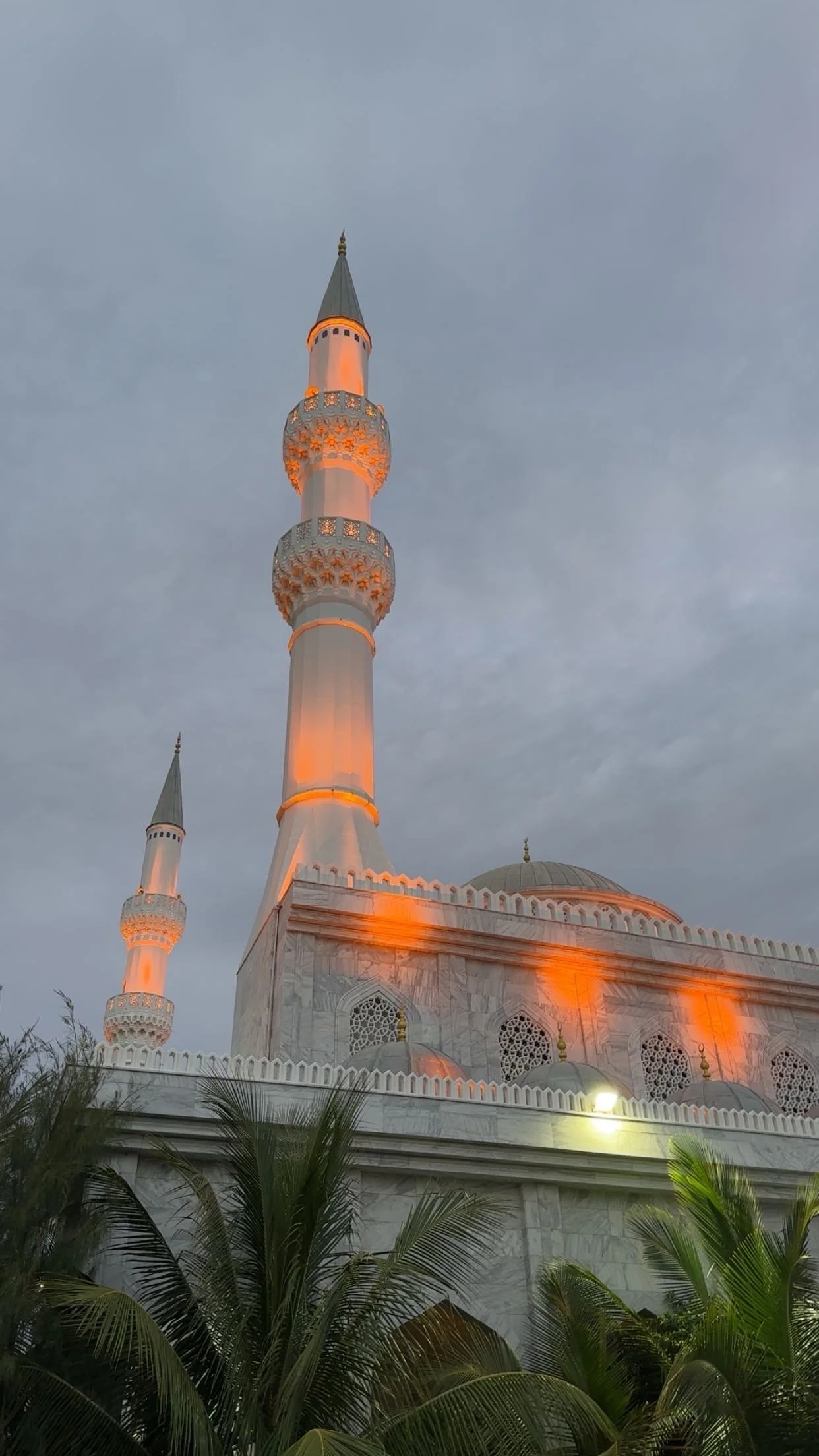
The airport surroundings have changed dramatically since my last visit. Back then there were only a handful of buildings surrounding the airport and the Halane compound, which housed the UN, several embassies and guesthouses for international NGO staff. This time, what immediately caught my eye was the magnificent mosque rising above the Mogadishu skyline, alongside so many new developments. It felt like an entirely different city.
My friend had promised me a soft landing, and she certainly delivered. After collecting my bags, she took me straight to the luxurious Decale Airport Hotel. The interiors were understated yet elegant, the sort of place you'd expect to find business travellers quietly enjoying their morning coffee.
The open-plan kitchen overlooked the dining area, where I watched a Turkish head chef and his Somali sous-chefs preparing breakfast. We enjoyed excellent coffee, a Turkish buffet with an array of cheeses and marinated olives, and both ordered freshly made Spanish omelettes that were cooked to perfection. It was a wonderful introduction to the Mogadishu of today.
If you've read my previous blog posts, you'll know that I gravitate towards history and culture whenever I travel. I always find myself wondering about the stories behind places, traditions and everyday objects.
On my second day, I explored different parts of the city, and unsurprisingly, the older neighbourhoods became my favourites.
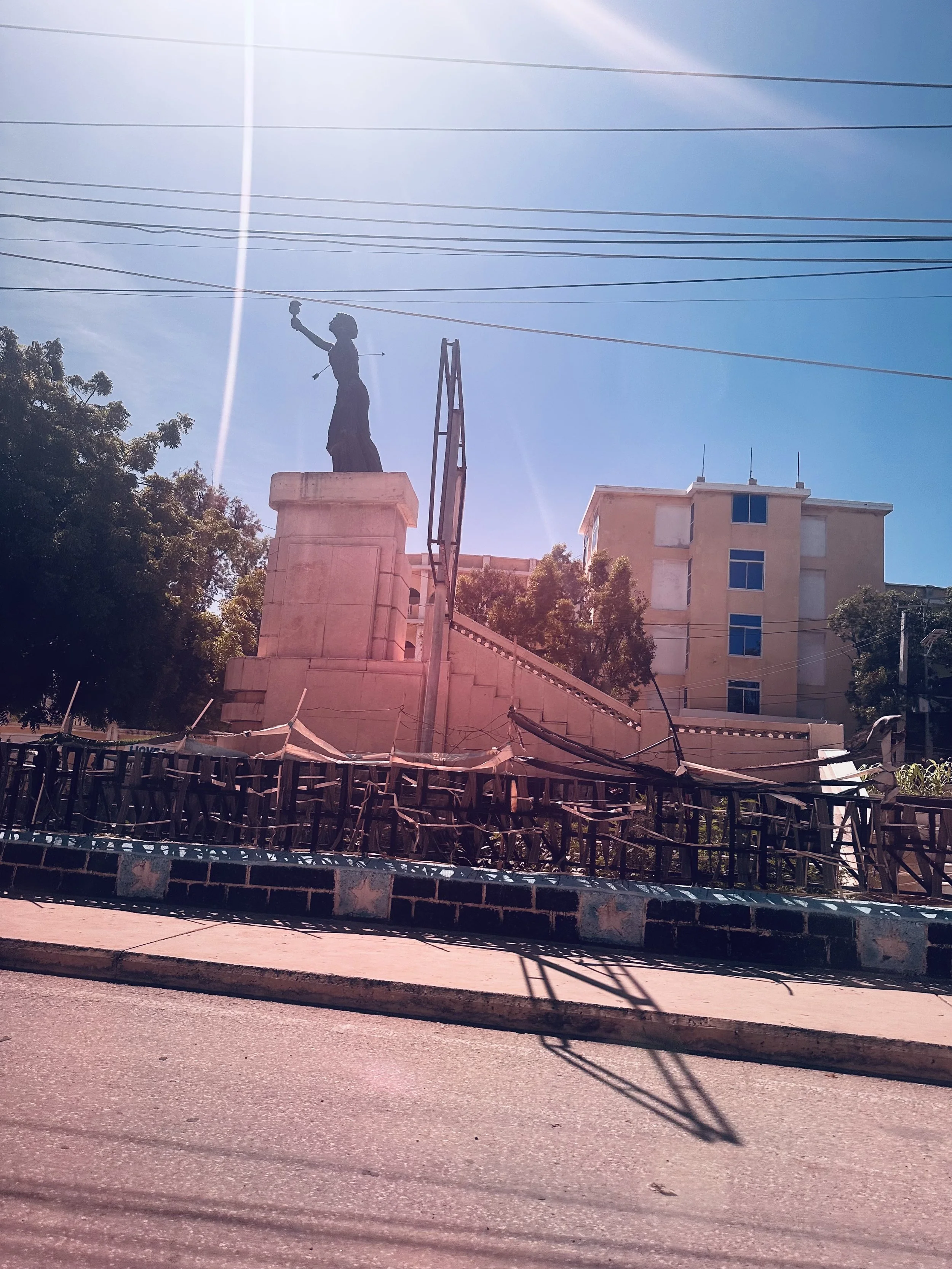
One landmark I had long wanted to see was the monument of Hawo Tako, the only major monument depicting a Somali woman. She is remembered as a national heroine for her role in Somalia's struggle for independence.
The statue is incredibly powerful. She wears a traditional guntiino with a delicate fasaleti headswrap, holds a torch symbolising hope and prosperity, and is pierced by a spear, representing the way she died. She also appears on the 100 Somali shilling note, carrying a rifle in one hand and farming tools in the other, with a baby wrapped against her back. In both depictions, what struck me most was her fearless posture and unwavering strength.
While researching Hawo Tako, I came across a series of short documentary-style videos on TikTok featuring a Somali journalist interviewing her surviving relatives. According to her family, she was born in the small town of Kebri Beyah, in the Somali region of Ethiopia. I became completely fascinated by her story and have already decided she deserves a blog post of her own. Seeing her monument in person was a genuine privilege.
Both of my parents grew up in the older districts of Xamar: Boondheere and Xamar Jajab. Driving through those neighbourhoods felt strangely familiar despite my never having lived there myself. Next time, I'd love to explore them on foot, visit the schools my parents attended, and walk the streets where they spent their childhoods.
This trip wasn't only about rediscovering my family's past. It was also about getting to know a different Mogadishu—a city still under construction, constantly reinventing itself for the future.
One of the highlights of my trip was a late-night bajaj ride complete with fluorescent lights! Whizzing through KM4, Taleex, Soobe and Maka al-Mukarama road while the city glowed around us was unforgettable.
As an East African coastal city, Mogadishu shares something of Mombasa's atmosphere. The streets come alive after dark, buzzing with energy. At one point, I remarked to my friend that parts of Xamar reminded me of Dubai in the early 2000s, and even Damascus before the war.
Street vendors sold freshly fried bajiye, samosas and colourful fruit smoothies. Restaurants overflowed with young people enjoying evenings out with friends and family.
By accident, we wandered into a Yemeni restaurant packed with couples on dates and groups sharing enormous platters of food. Watching them laugh together filled me with an overwhelming sense of warmth. It was one of those ordinary moments that quietly says everything about a city's resilience.
One afternoon, after running an errand in the centre of town, my friend and I decided take a spontaneous walk back to our neighbourhood. It was a hot, dusty day, and the constant beeping of the bajaj drivers, all sounding their horns at once, was quite overwhelming. If you have ever visited cities such as Dhaka or Delhi, you can imagine the soundscape: the high-pitched buzzing of engines and the relentless chorus of horns, Mogadishu is very similar to that.
Women in Somalia dress with such elegance, often in long, flowing dresses and heels. That day, I was wearing a flowery peach-coloured maxi dress with chunky heels as I made my way through the crowds and along the dusty streets, dodging motorbikes, what felt like hundreds of bajaj, and several speeding old Toyota pick-up trucks carrying qaad.
It was lunchtime, and I soon realised that the drivers were racing to deliver the qaad while it was still fresh, in time for the men to chew it after their midday meal.
By the time we finally arrived, I breathed a sigh of relief and felt a strange sense of accomplishment. Somehow, I had managed to walk all that way in a long dress and heels while navigating streets that felt more like an obstacle course!
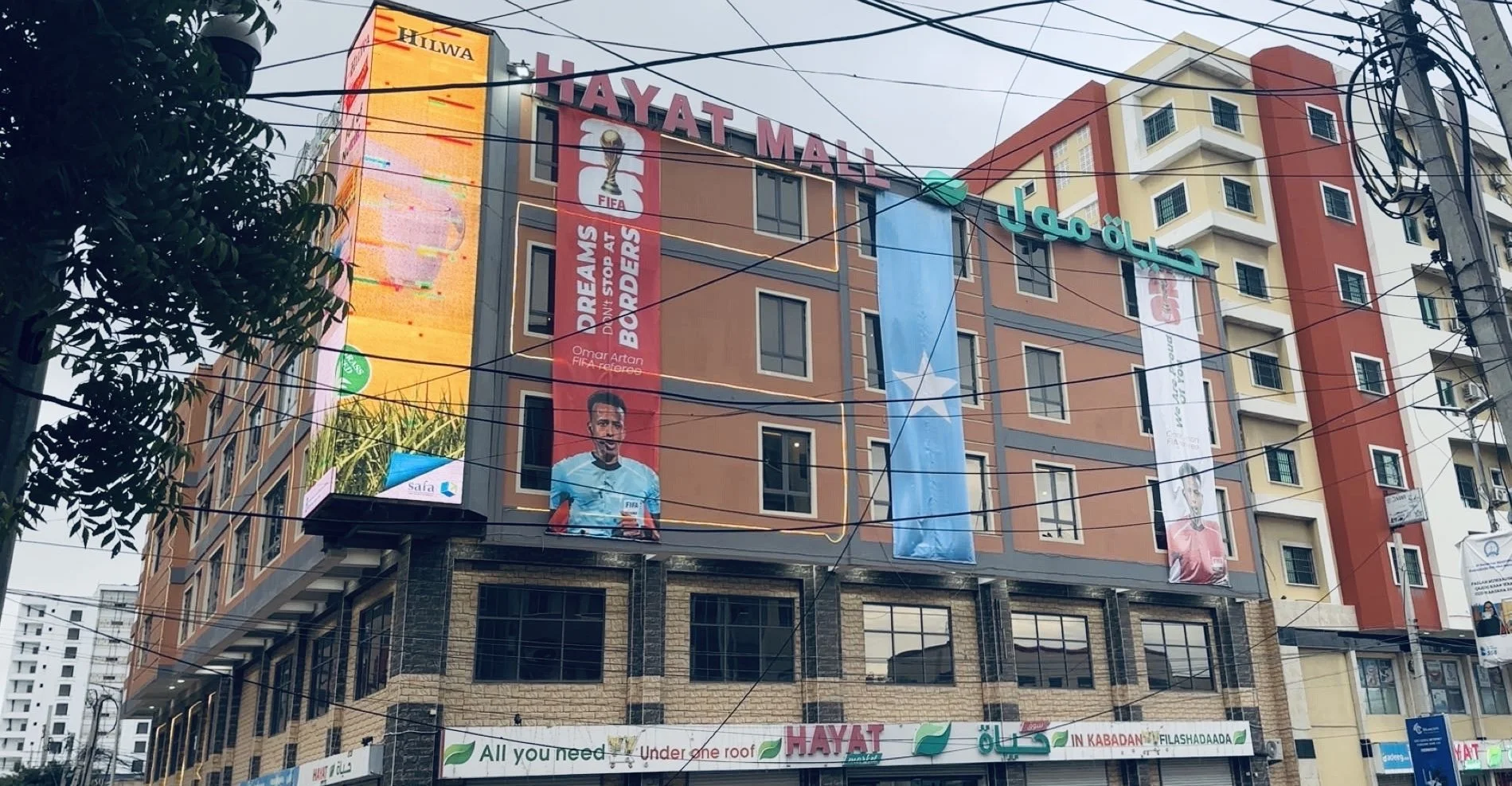
I'm sure many people have heard of the young Somali referee Omar Artan, whose Olympic dreams were recently cut short. On my walk that day I noticed a massive banner celebrating him outside Hayatt Supermarket, one of the city's largest supermarket. His photograph stood as a symbol of national pride, accompanied by the words: "Dreams don't stop at borders." Few slogans could have captured his story more perfectly.
One of the most memorable moments of my trip was praying at the breathtaking Ali Jimale Mosque. The mosque has become a defining landmark, symbolising both renewal and beauty.
I've always believed that when a society creates beautiful buildings, art and public spaces, it reflects hope, imagination and a sense of peace within the community.
I learned that the mosque was built by a prominent businessman in honour of his late father, after whom it is named. I found that deeply moving. In Islam, we believe that acts of ongoing charity, such as building a well, a hospital, a school or a mosque, continue to benefit a deceased parent long after they have passed away. It is one of the most beautiful expressions of love and remembrance.
Equally impressive was the wider mosque complex, which includes a supermarket, pharmacy, café and restaurant. I'd never seen a mosque integrated into everyday community life quite like this. It perfectly reflected the entrepreneurial spirit of Somalis and the ease with which faith, commerce and social life can coexist within the same space.
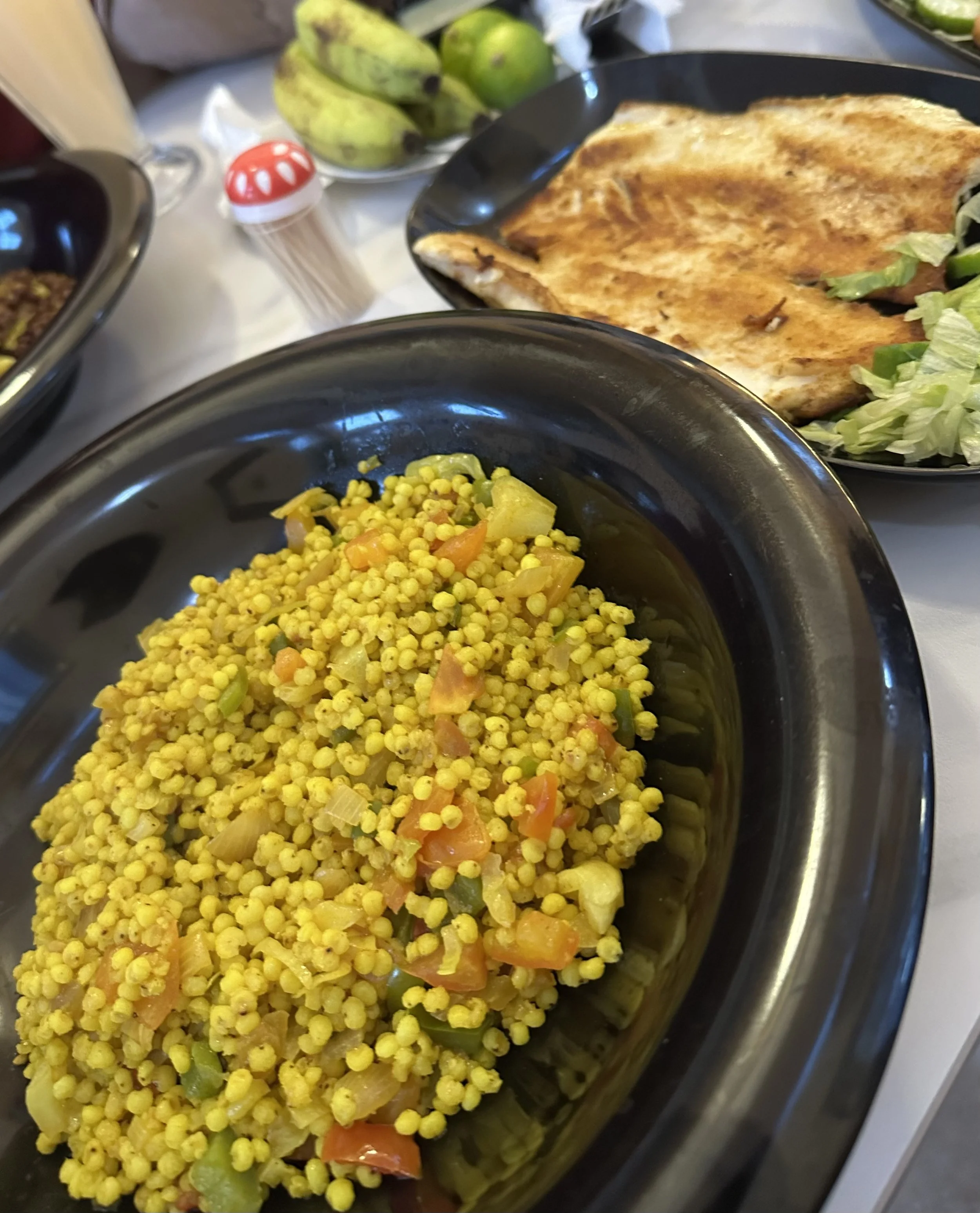
That evening, we had dinner at Cad iyo Caano, a restaurant within the mosque complex. The name literally translates as Meat and Milk, a fitting tribute to Somalia's pastoral heritage. The menu celebrated traditional Somali cuisine. We enjoyed freshly grilled kingfish alongside cambuulo, spaghetti, and a hearty grain dish made from masago and qamadi. Everything was cooked beautifully, and we washed it all down with generous glasses of isbarmuuto, a wonderfully refreshing grapefruit juice that I became completely addicted to during my stay.
On my final evening in Xamar, I had dinner at the home of a close friend in the vibrant neighbourhood Hodon. She cooked my favourite meal: lasagne, exactly the sort of dinner my mother would make for me in London. She laughed as she explained that lasagne sheets aren't always easy to find in Mogadishu, making the meal feel even more special.
Although we've been close friends for over a decade, this was the first time I'd visited her home and seen the life she has built. Like many in the Somali diaspora, she chose to return home after growing up abroad.
Both of us left Somalia too young to remember much of its past and relied largely on our parents' memories to imagine it. Now, watching her raise her own children in Mogadishu, I realised she is creating an entirely new set of memories—her own version of home in a city that continues to evolve.
From the polite, punctual taxi driver who safely helped me navigate the city, to the ambitious young people I met working in government offices, banks, cafés and other businesses, I was struck by their optimism and commitment to building a future in Mogadishu. Above all, they reminded me what it truly means to belong somewhere.
Returning to Somalia after ten years felt deeply cathartic. I left with a renewed sense of hope for my country.
Ambuulo: The red bean that traveled with us
As I get older, I find myself gravitating towards the foods of my homeland. Ambuulo, soor, anjeero, hilib geel, beer (which is fried liver and not to be confused with the cold alcoholic beverage that is spelt the same way), kaliyo, calooley, qahwo, halwad, muqmad/oodkac, and ambabuur on Eid mornings.
Earlier this year, my mum traded the London cold for warmer climates and visited us here in Nairobi. Of course, being the foodie she is, she had to bring her loved food traditions into my home. Ambuulo, or cambuulo as it is spelt in Somali, is made with adzuki beans, and it is probably one of the healthier Somali dishes we enjoy eating for breakfast and dinner. Before my mum returned to London, she made a huge batch of cambuulo for us to keep in the freezer and eat at our leisure.
My husband and I have been enjoying it for breakfast, drizzling a generous amount of delicious organic sesame oil that we bought from Eastleigh, the bustling Somali district of Nairobi where you can find anything and everything at a reasonable price. Sometimes, for a more nostalgic taste, we sprinkle a little brown sugar on top of the warm ambuulo and let it caramelise. At other times, we choose the healthier option and add honey instead.
The ambuulo my mum left in the freezer does not only serve as a sweet memory of the time we spent with her. It also represents our own journey of cementing Somali culinary traditions in our diaspora home.
As I devoured a big, hearty bowl of ambuulo on my sun filled balcony the other morning, I wondered about its origins and how it became a favourite for my mum, and for so many people in Somalia and across the diaspora. These thoughts took me back to the times when I would overhear some of my family say that ambuulo was originally a kind of workman’s food, or a dish associated with people who worked on farms in the fertile southern regions of Somalia.
To me, that seemed plausible. Foods that are dense, nutritious, high in protein and fibre, and full of slow releasing energy would have been ideal for farmers and people engaged in hard physical labour. In many ways, the Western health food craze has brought us back to these kinds of foods: nutrient dense, humble in origin, and deeply nourishing. Avocado, sweet potato, quinoa, teff and other so called superfoods all have similar stories. I believe adzuki beans may soon have their own moment as a superfood too. You heard it here first. These thoughts led me down a rabbit hole of curiosity. I wanted to learn more about ambuulo’s origins, how it is farmed, which other cultures eat adzuki beans, and how it became such a loved meal in Somali homes across the world.
Through my research, I found that adzuki beans are eaten across Asia, especially in East Asia and the Far East, including Japan, China, the Philippines, Vietnam and Nepal. In Japan, there is a dish called sekihan, made with rice and adzuki beans, and usually eaten during celebrations and holy days. It looks almost identical to the Somali ambuulo with rice that I grew up eating at home in London.
Sekihan is more of a savoury dish and does not include sugar, but it is interesting that sesame seeds are used. In the Somali dish, sesame oil and sugar make it both savoury and sweet. Some of the more health inclined people omit the sugar and use honey instead. I have also seen variations where people add maraq, which is soup or broth, or suqaar, a meat stew, because they prefer a more savoury taste. During certain celebrations, such as religious ceremonies, births and funerals, some Somali clans serve bun and ambuulo, adzuki beans accompanied by fried coffee beans.
So how and when did this vibrant red bean arrive on the African continent, and more specifically in Somalia? Unfortunately, because of the lack of agricultural research and food history, I could not find any definitive information. Somalia relies heavily on oral history, so there is not much documentation on this. However, from interviewing my parents and people within my network who have lived experience in Somalia’s agricultural and farming industries, I found out that adzuki beans grow in the farmlands of southern Somalia, close to the Jubba and Shabelle rivers.
In fact, my late grandmother used to work on a farm growing adzuki beans. My mum told me that during her school holidays she would sometimes step in for my ayeeyo to help on the farm, picking, sorting and cleaning the beans. But at that age, she did not enjoy eating ambuulo at home because it was not a food she liked.
I find that interesting because, as a child, I also disliked ambuulo. On the nights when it was made for dinner, I would find any excuse to eat something else, sometimes making myself a tuna sandwich instead. I definitely think ambuulo is a dish for a more refined and mature palate.
In the 1980s, my father, who studied agriculture, worked for a large British agricultural firm. He told me Somalia’s agricultural industry was booming at the time, and that Somalia exported a lot of food, including adzuki beans, sugar, livestock, and tinned fish, not only to neighbouring countries but also to India and countries on the Arabian Peninsula. I found this fascinating, and I am pleased that the farming of grains and pulses is still going strong. In fact, my aunt told me that the adzuki beans sold in Somali shops in Kenya come from Somalia. In a small way, I feel I am keeping my connection to Somalia alive through these important foods I consume in my home.
As someone who grew up abroad as part of the large Somali diaspora, I saw firsthand how we maintained our connection to our ethnic identity through food.
Through interviewing my mother, I found out that in the earlier days of migration to the UK, they could not find the right adzuki beans. Instead, they would buy smaller red beans from Indian shops in London and use those to make ambuulo. Later, as more Somalis arrived in the UK and opened grocery stores, they began importing larger adzuki beans from Kenya and Somalia.
I find this fascinating because it highlights the importance of people preserving their cultural food traditions by establishing businesses that cater to their communities. But what I find most impressive is the way migrants found substitutes for certain ingredients in other immigrant owned shops. There is something beautiful in that: the way cultural foods interact, overlap and are exchanged; the way human beings adapt and become resourceful when faced with the challenges of movement, displacement and resettlement.
In my research, I found several variations in how the dish is prepared. Some people stick to cooking it the original way with rice. Others prefer modernised versions with corn or barley. Some still serve it with fried coffee beans on the side during funerals, religious celebrations and special occasions.
For my own taste, I prefer either the original version with rice, which is almost identical to the Japanese dish sekihan, or the newer version my mum recently made for us with barley. I like the bite and texture of the barley, accompanied by the softness of the rice and the meaty texture of the adzuki beans. As you may know from reading previous blog posts, layered, textured dishes are a strong favourite in my household. Be warned though: this is a dish that will make you very thirsty, so make sure you have enough water to wash it down and help it digest well.
This dish serves as memory. It is a ritual steeped in history and communal lineage. Ambuulo has travelled with me from Mogadishu to Nairobi to London, and back again. It is the only food I would sit in a small side street, hole in the wall food shack for, even if it meant risking an upset stomach.
I hope you try this dish. And especially to my vegan and vegetarian readers, it is probably one of the few Somali dishes you can enjoy that does not contain meat or any meat products.
Xawaash has an easy ambuulo recipe to follow. Enjoy!
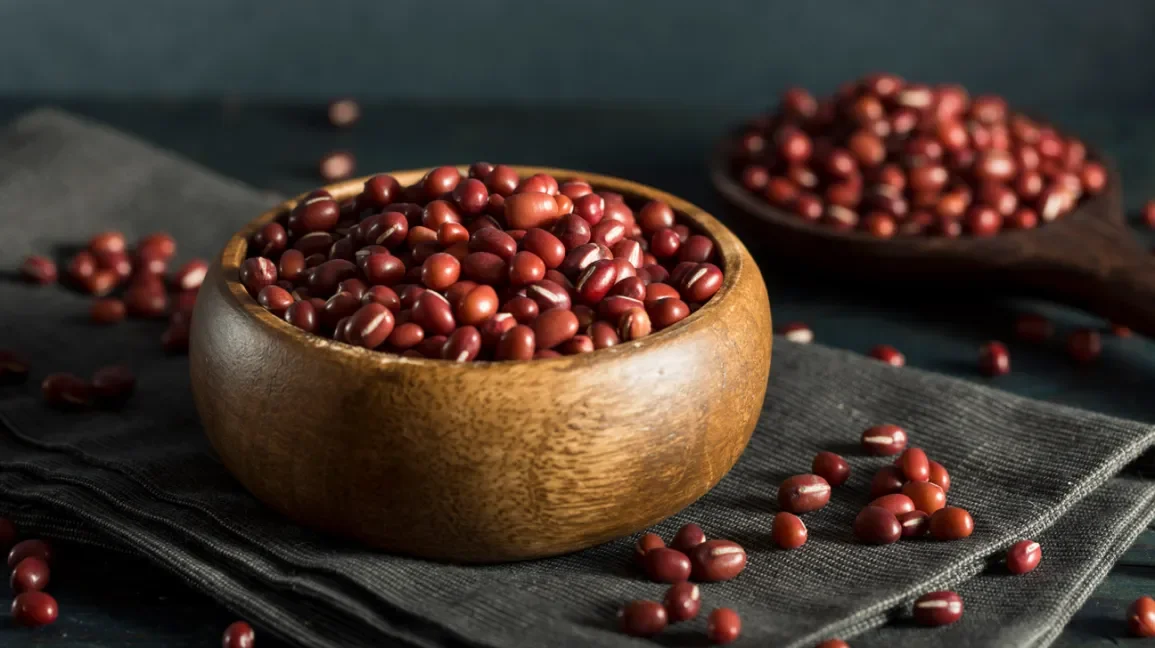
Photo credit: Xawaash.com
Comfort food: Ramadan edition
Food is a big part of my life and so is Ramadan. Interestingly enough, it's in this month where I choose to abstain from food that my love for food is intensified. I reflect on my eating habits, feel gratitude in what I have and remember the wider issues around global food insecurity. The feeling evoked when taking that first bite after fasting is quite euphoric, cathartic even. Somehow the abstinence of food provides me with a clarity of mind and I am able to freely ponder on the many ways I can be more intentional in how I eat, cook, buy and share food.
Growing up in a Somali home in London my mother spent hours showing her love to us through her delicious creations in the kitchen, both traditional, and a fusion of the foods she adopted in her new home in England. While some dishes were inspired by the varied people from the global south who were our neighbours, fellow students, work colleagues, and parents of the children we went to school with. My mother is not only a very skilled intuitive cook but also a creative cook who likes to experiment with different flavours. This is where my love and respect for food was first born.
As the eldest in my household I was entrusted to help in the kitchen and although at the time it was something I resented, I didn’t realise it would serve me well in the future. Our kitchen was like a classroom, character building, a place where I learned the value of ingredients, that one could connect to another culture simply by embracing its food, that you didn’t need measuring instruments but intuition alone could lead you to make the most glorious of dishes. We made cardamom crepes, samosas filled with either tuna or spiced minced beef, and chicken oat barley soup called Shurbad (one of the soups I will share in the coming weeks). We also prepared fresh fruit salad, mandazi, buur (Somali puff-puff) drizzled with honey or dusted with icing sugar, and different types of rice, chapati or anjeero to go with stews depending on the day. Additionally, we made meat suqaar stuffed in Yorkshire pudding (my mother’s Somali-English fusion dish!), and sometimes a slow-cooked ragù sauce with pasta.
There is usually a large spread for Ramadan, both due to the excitement of eating after fasting and because the small window before the fast resumes allows for only two to three meals to be consumed, but we always either shared with our neighbours or saved the leftovers for the next days iftar to ensure no food was wasted. When my siblings were old enough they too joined us in the kitchen and we would at the end of the day sit down to eat with a renewed sense of belonging and kinship. I have always felt that Ramadan is as much about family, community and strengthening bonds as it is a spiritual cleanse and a month of giving (both through the sharing of food and the act of giving charity to those in need).
One of my biggest takeaways from my upbringing is that love is a verb found in the pots of many immigrant mothers who were raised to express their love through their cooking and desire to feed their families, neighbours and community. I am in awe of the generations of people who preserve their history and culture in a single dish, and oftentimes this being the only way to preserve their identity as immigrants in foreign lands.
As an adult and mother myself now I appreciate and feel immense gratitude for all that my mother was trying to teach me in our tiny little kitchen in north west London.
This Ramadan I am inspired to learn and make as many soups for my family as possible, each soup will originate from a different country whose soups I haven’t tried yet. In many countries, soup or broth is the first meal to be eaten by the fasting since it helps to cleanse and settle the stomach after an entire day of fasting, it is also easy to digest, gives a certain level of comfort like a warm embrace to say well done, you did it!
Ramadan Kareem to the 1.8 billion people observing this month and happy soup making to anyone interested in the food, stories and traditions of this vast and beautiful world we call home.


Turkish Bride Soup
This soup is not only delicious but also comes with an intriguing folklore story, perfectly satisfying my love for both storytelling and food.
In a town on the border of Turkey and Syria, a woman named Enzo, having endured two failed marriages, dreamt up this soup in an effort to win over her new mother-in-law. Needless to say, her plan worked brilliantly. Now, in Turkey, brides are traditionally served this soup as a way to wish them good fortune in their marriages. As I prepared the dish, I kept Enzo’s spirit close—her determination to create something that could win over the hearts of even the harshest critics was admirable. Culinary diplomacy at its finest!
I am a sucker for layered flavours and textures, which is what first drew me to this soup. Chef extraordinaire Samin Nosrat, in her book Salt, Fat, Acid, Heat, categorises soups into three types—brothy, chunky, and smooth. This soup manages to incorporate elements of all three, while also being hearty (or fatty!) and acidic.
When I’m in the kitchen, I see myself as a painter—my spoon and knife are my brushes, and my pots and pans are the canvas. After briefly scanning this recipe in the cookbook Ripe Figs, I immersed myself in the process. I carefully chopped the fresh ingredients, noticing how the zestiness of lemon and tomato instantly lifted the flavours. The fragrance of fresh garlic, mint, and dried oregano filled my kitchen with the scents of the Eastern Mediterranean. The crunch of celery and the subtle sweetness of carrots took center stage, all held together by red lentils and bulgur wheat, with butter adding a silky richness. Though I often love shortcuts in cooking, for this dish, fresh ingredients make all the difference. Juicy tomatoes, onions, mint, garlic cloves, carrots, celery, and lemons elevated this soup beyond my expectations.
A fascinating fact—Turkish soups are enjoyed at any time of the day and are commonly served at weddings, funerals, and other celebrations. So really, this soup can be savoured whenever the mood strikes. As I stirred the pot, I recalled a delicious lentil soup I once had at an unassuming Turkish restaurant in Green Lanes—London’s own "Little Turkey." My friend Jess and I would often visit just for their lentil soup. As broke postgraduate students at the time, it was cheap as chips, filling, and absolutely delicious.
Despite its origins, I believe this soup is for anyone who feels homesick or in need of comfort. I can picture a Danish intern in Kenya making this soup to bring warmth to a new city—perhaps omitting the chili flakes! I believe there is a universal language in soup consumption that few other dishes can match.
As I slurped a spoonful, I felt instantly embraced by its life-affirming layers of flavour. Beethoven was onto something when he said, "Only the pure of heart can make a good soup." I wholeheartedly agree. It’s not just about the composition of ingredients—it’s about the genuine interest, appreciation, and love that the cook infuses into the dish. That energy, I believe, is what elevates food beyond mere sustenance.
My husband commented that this is probably the best soup I’ve ever made, and I have to agree. But as an ambitious and curious cook, always searching for ways to improve, I welcome the challenge of making an even better soup next time!


Greek Chicken Lemon Soup
My son was unwell with a flu last week, and I wanted to make him chicken soup—but something a little different from my usual. While browsing online, I stumbled across a recipe for a Greek soup called Avgolemono. Although it’s widely recognised as Greek, I was intrigued to discover that its origins can be traced back to Spain. It’s believed that Sephardic Jews introduced this soup, also known as Sopa de huevos y limón, to Greece and Turkey when they were expelled from Spain due to the Inquisition.
What sets this soup apart is the use of raw eggs whisked together with lemon juice, lemon zest, and chicken broth. To be honest, I was initially sceptical about adding raw eggs to a soup, something I’d never attempted before. However, following the instructions carefully, particularly regarding temperature control to prevent the eggs from scrambling, eased my concerns. Though I’m British, I must admit that I’ve never particularly enjoyed an "eggy" taste or smell—sunny-side-up eggs are not really my cup of tea! Thankfully, the lemon wonderfully masked any egginess. To my surprise, the soup emerged beautifully creamy, as though I’d added actual cream, and the aroma from the lemon zest and fresh dill was truly delightful. Most recipes suggest adding rice or orzo, but I decided against it that day, as I wanted a more broth-based soup. Using the broth from the boiled chicken itself provided a hearty, rich flavour—exactly what I look for in healing soups like this.
Making this soup sparked my curiosity, and soon I found myself down an anthropological rabbit hole, researching its history. I’ve always loved uncovering the origins of cultural practices and foods—exploring how they’ve travelled, adapted, and been preserved over generations. As part of the Somali diaspora, I deeply appreciate the importance of maintaining aspects of my culture wherever I’ve lived. I remember preparing tripe suqaar and anjeero in Peru so my host family could experience Somali cuisine; similarly, I carry my hawaaji spice mixes and uunsi scents with me to make new places feel like home. This act of migration, taking primarily cultural practices, is common among diaspora communities everywhere. It’s no surprise, therefore, that this soup originated with one of Europe's earliest diaspora communities, who have preserved many soup recipes traditionally enjoyed during significant ceremonies. According to this article, in Turkey, Greece, and the Balkans, this soup is traditionally eaten to break the Yom Kippur fast. I found this particularly fascinating, as I too was enjoying this soup during Ramadan, breaking my fast in my own little corner of the world. The relationship between fasting and the tradition of breaking the fast with soup is an intriguing phenomenon observed across various religions and cultures. This connection reminds me how food, stories, and recipes unite us as human beings first. Considering how divisive the world currently is, it warms my heart to think that by appreciating and enjoying this delicious soup, I’m connected to those who first created it and generously shared it with the world.
For me, the spirit of Ramadan embodies peace, sharing, togetherness, and community, and I choose to honour this spirit through the diversity of the food I eat.
This has easily become one of my favourite chicken soups—I hope you’ll give it a try and enjoy slurping it down as much as I have!


Avgolemono soup.